هود بدون داکت برای آزمایشگاه شیمیایی: ویژگیهای کلیدی
News Details
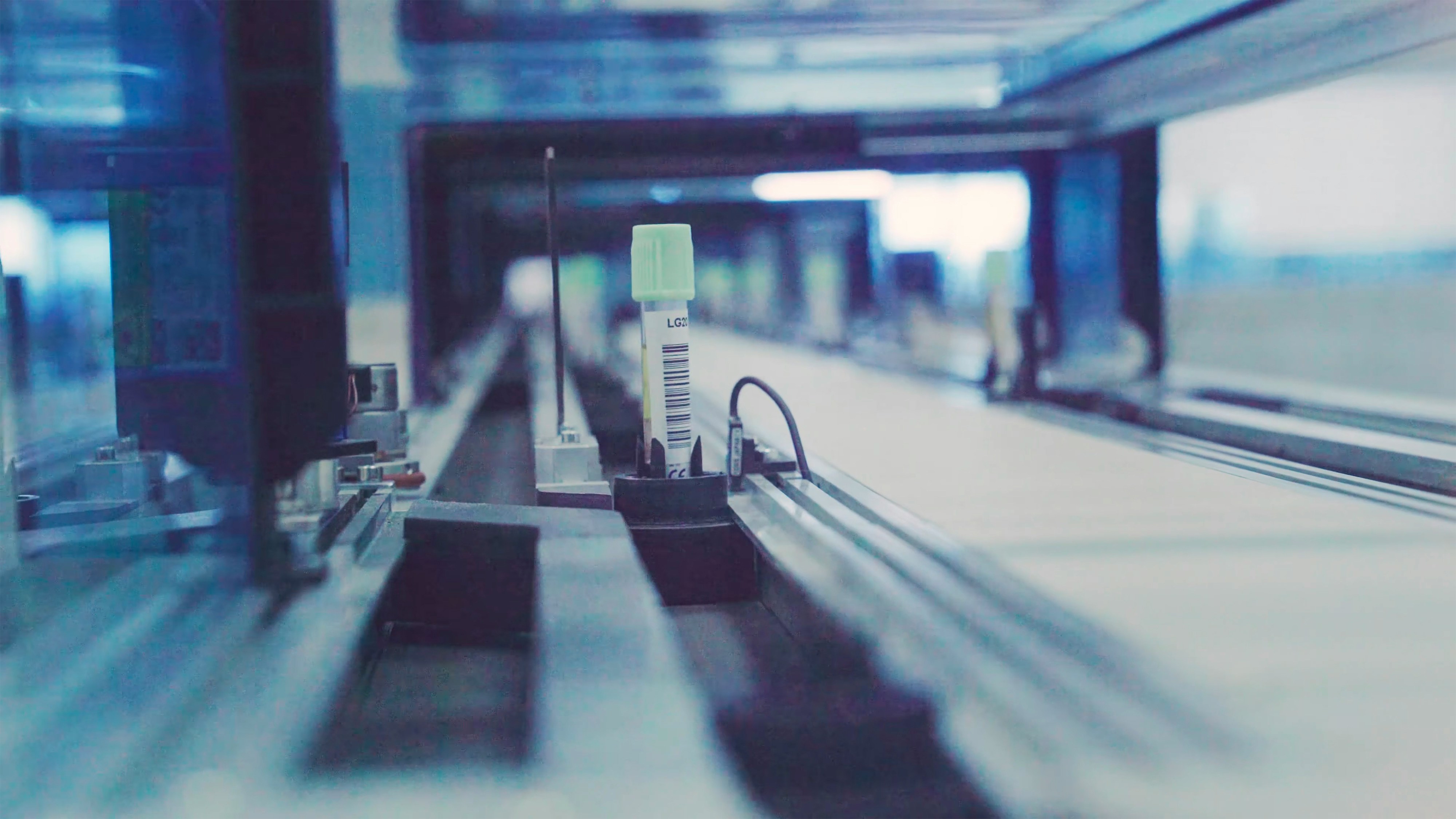
هود بیکانال یک انتخاب کاربردی برای بسیاری از آزمایشگاههای شیمیایی است. این دستگاه به کنترل قرار گرفتن در معرض دودها، بخارات و بوهای مضر کمک میکند و در عین حال نیاز به کانالهای ثابت تخلیه هوا را کاهش میدهد. در نتیجه، میتواند نصب انعطافپذیرتری ارائه دهد و به آزمایشگاهها کمک کند تا از فضای خود بهتر استفاده کنند.
با این حال، هر هود بیکانالی برای هر کار شیمیایی مناسب نیست. قبل از انتخاب آن، مدیران آزمایشگاه باید سیستم فیلتراسیون، جریان هوا، ویژگیهای ایمنی و سازگاری شیمیایی آن را بررسی کنند. در این راهنما، ویژگیهای کلیدی هود بیکانال برای آزمایشگاههای شیمیایی و مواردی که باید هنگام انتخاب مدل مناسب در نظر گرفته شود، توضیح داده شده است.
هود بیکانال برای آزمایشگاههای شیمیایی چیست؟
A ductless fume hood is a laboratory enclosure that draws air through a filtration system instead of sending it outside through an exhaust duct. Depending on the model, it may use activated carbon filters, HEPA filters, or other filter types to capture specific contaminants.First, the hood draws air from the work area. Next, the filter removes the contaminants it is designed to capture. Finally, the filtered air returns to the room.Unlike a traditional ducted fume hood, a ductless model does not need a fixed connection to an external exhaust system. Therefore, it may be easier to install in labs where ductwork is difficult or costly.Still, a ductless fume hood is not suitable for every chemical. Its safety depends on the chemicals used, their concentration, the work process, and the filter's ability to capture the contaminants. Labs must assess these factors before use.
Key Features of a Ductless Fume Hood for Chemical Labs
1. Effective Chemical Filtration System
Filtration is one of the most important features of a ductless fume hood. Different chemicals need different filter media. For example, activated carbon filters can adsorb many organic vapors, while HEPA filters are designed to capture airborne particles.
However, a HEPA filter alone does not remove most chemical vapors. Likewise, one carbon filter cannot safely capture every gas or vapor. Therefore, users should select the filter based on the actual chemicals and their safety data sheets (SDS).
A suitable filtration system should also allow users to check filter condition and replace filters according to the manufacturer's instructions. This helps maintain safe operation over time.
2. Stable Airflow and Containment
Stable airflow helps limit the spread of fumes from the work area. A well-designed ductless fume hood should support steady air movement and provide a clear work zone.
In addition, the hood should have an appropriate airflow design for its intended use. Users should avoid blocking air inlets and outlets with large equipment or stored materials. They should also keep the sash at the recommended working height.
However, airflow alone does not prove that a hood is safe. The complete system must be assessed for containment, and the hood should be tested and maintained according to the manufacturer's guidance and applicable laboratory safety requirements.
3. Filter Monitoring and Safety Alarms
Filter performance can change as the filter captures contaminants. Therefore, filter monitoring is an important feature to look for when choosing a ductless fume hood.
Depending on the model, monitoring systems may track filter life, airflow, or other operating conditions. Alarms can alert users when a condition requires attention.
Even so, filter-life indicators should not be treated as a guarantee that the filter can still remove every contaminant. Actual filter life depends on the chemical, its concentration, humidity, usage time, and other conditions.
For this reason, laboratories should establish a filter replacement plan and follow the manufacturer's procedures.
4. Chemical-Resistant Work Surfaces
Chemical work can expose a hood's interior to spills, splashes, and corrosive substances. As a result, the work surface and interior materials should match the chemicals used in the lab.
For example, some laboratory tasks may require surfaces that resist common solvents or mild acids. Other processes may need special materials for stronger corrosive chemicals.
Before purchasing a hood, check its material specifications and chemical compatibility information. Also, consider how easily the work surface can be cleaned after a spill.
A durable, easy-to-clean interior helps support daily lab work and routine maintenance.
5. Adjustable Sash and Easy Operation
The sash is another key feature of a ductless fume hood. It helps separate the user from the work area and allows access to the inside of the hood.
An adjustable sash lets users set the opening according to the manufacturer's instructions. In addition, clear glass or another suitable transparent panel can improve visibility during experiments.
For daily use, simple controls and easy access to the work area can also help staff work more efficiently. However, users should keep the sash at the recommended position during operation.
6. Durable Materials and Easy Cleaning
The materials used in a fume hood affect its service life and suitability for different chemicals.
For example, stainless steel or coated steel may suit many general laboratory tasks. By contrast, polypropylene (PP) is often considered for applications that involve corrosive chemicals because of its resistance to many acids and alkalis.
Therefore, laboratories should review the material specifications before purchasing equipment. They should also check whether the work surface, sash, seals, and other parts are compatible with the chemicals in use.
A smooth, easy-to-clean work area can also make routine maintenance simpler.
7. Compact Design and Flexible Installation
A major benefit of a ductless fume hood is that it does not require a fixed exhaust duct. As a result, it can be easier to fit into an existing laboratory.
This design may suit small research rooms, teaching labs, testing areas, and sites where building changes are limited.
However, users still need to consider the power supply, room ventilation, working space, and maintenance access. Most importantly, flexible installation should never replace a proper safety assessment.
Ductless Fume Hood vs. Ducted Fume Hood
Both types of fume hood help control laboratory contaminants, but they handle air in different ways.
Its product range includes ductless fume hoods and other fume extraction solutions for different laboratory needs. For example, AMPLE offers a CE-certified ductless fume hood designed as a portable, self-contained unit. Depending on the application, its filtration options include activated carbon or HEPA filters.
AMPLE also offers polypropylene fume hoods for applications that involve corrosive chemical fumes, vapors, and gases. Their chemical-resistant construction can help meet the needs of laboratories that work with compatible corrosive substances.
In addition, AMPLE supplies universal fume exhaust hoods for general laboratory and industrial fume extraction. These products are designed for applications involving certain chemical vapors, dust, odors, and non-corrosive aerosols.When planning a laboratory, buyers should consider more than the equipment itself. They should also review the chemicals used, the required filtration, the available space, and the project's safety requirements.By discussing these factors with AMPLE, laboratory managers can explore suitable equipment options for their work areas. The final selection should always be based on the actual application and confirmed technical specifications.How to Maintain a Ductless Fume Hood Safely
Regular maintenance helps keep a ductless fume hood working as intended. However, maintenance alone cannot make an unsuitable filter safe for a particular chemical.
Follow these basic steps:
Check the filters regularly.
Follow the manufacturer's inspection and replacement schedule.Monitor airflow.
Check the airflow indicators and alarms before use, where fitted.- Keep the air openings clear.
Clean the work surface.
Use cleaning products that are compatible with the hood materials.Keep maintenance records. Record filter changes, inspections, and any faults.
In addition, staff should know what to do if an alarm sounds or a filter problem occurs. Stop the affected work and follow the laboratory's response procedure.
How to Choose the Best Ductless Fume Hood for Your Lab
What are their concentrations and quantities?
Which filter can capture the target contaminants?
Are the interior materials compatible with the chemicals?
Is the working area large enough for the task?
- How will the filters be checked and replaced?
Does the application require a ducted exhaust system instead?
If the laboratory handles highly hazardous chemicals, unknown substances, or processes that produce contaminants the filters cannot safely capture, consult a qualified laboratory safety professional before selecting a ductless system.
A ductless fume hood for chemical laboratories offers flexible installation and a self-contained filtration system. Key features include suitable chemical filters, stable airflow, filter monitoring, an adjustable sash, chemical-resistant materials, and easy maintenance.
AMPLE offers ductless fume hoods and other laboratory fume control solutions to meet different project needs. By reviewing the application, filter requirements, and equipment specifications, labs can choose a suitable system and support safer daily work.


